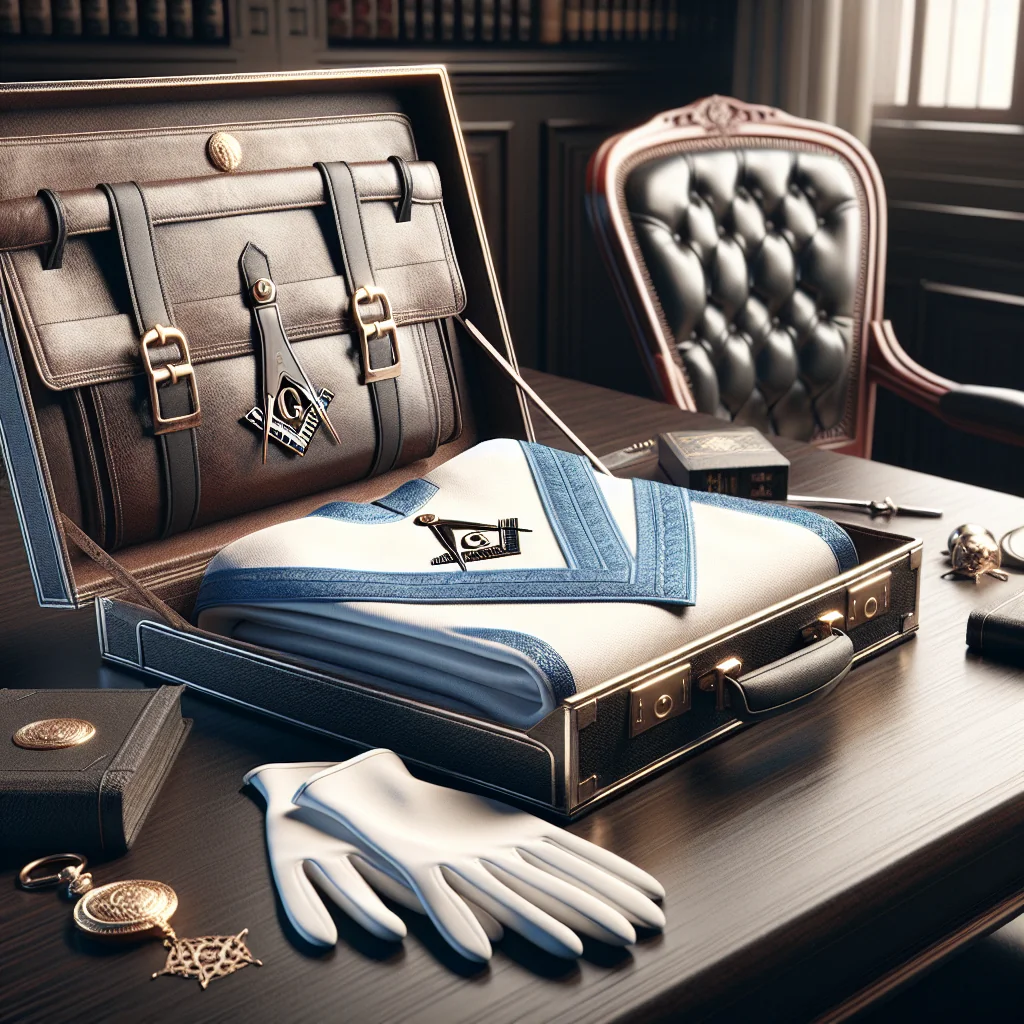
How to Choose the Best Masonic Apron Case for Your Regalia
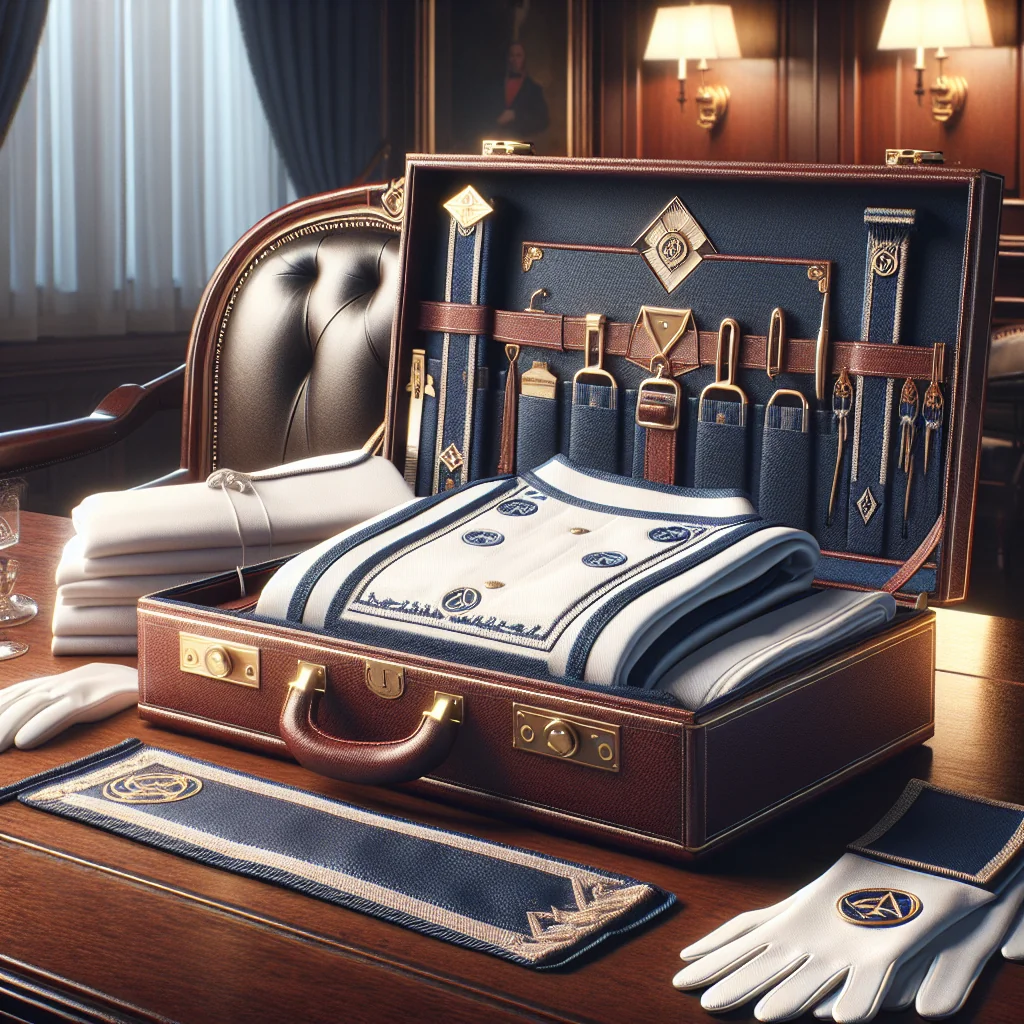

Finding the best Masonic apron case is about more than storage. A good case protects your regalia, keeps it flat, and helps you travel with confidence. The right choice depends on how often you attend lodge, how you travel, and how formal your apron is.
This guide walks you through the key decisions. You will see how size, material, and layout affect protection and convenience, so you can choose a case that suits your needs and respects your regalia.
Why a Quality Masonic Apron Case Matters
A Masonic apron is a personal item and often a gift or heirloom. Many aprons use delicate embroidery, metallic thread, or lambskin that can crease or crack if stored badly.
A quality apron case keeps the apron flat, shields it from dust and light, and prevents straps and tassels from tangling. A good case also makes it easier to carry everything you need for lodge in one place.
If you travel often, a strong case also protects your regalia from knocks, rain, and pressure from other luggage. Over time, this protection preserves both the look and the meaning of your apron.
Key Features That Define the Best Masonic Apron Case
Before comparing brands, focus on the main features that affect daily use. These features decide how well the case protects your apron and how easy it is to carry.
- Correct size and shape: A snug fit for your apron size, without folding.
- Protective material: Leather, faux leather, or padded fabric that resists wear.
- Interior support: Stiff panels or boards to keep the apron flat.
- Secure closure: Zip, clasp, or lock that does not press on the embroidery.
- Extra storage: Pockets for gloves, collar, jewels, summons, or notes.
- Comfortable carry options: Handle, shoulder strap, or both for travel.
- Discreet design: Plain outside, with symbols inside or kept subtle.
Once you know which of these points matter most for your situation, you can judge any apron case quickly and avoid buying something that looks good but fails in daily use.
Size and Fit: Matching the Case to Your Apron
Size is the first filter in choosing an apron case. A case that is too small will crease the apron, while one that is too large lets it slide around.
Most Craft aprons follow standard sizes, but Provincial, Grand, Royal Arch, and other orders may differ. Some Brethren also carry more than one apron or sash in the same case.
Standard vs. Large and Multi-Apron Cases
Standard single-apron cases suit most Entered Apprentice, Fellow Craft, and Master Mason aprons. These cases are slim and light, ideal if you only carry one apron and a pair of gloves.
Larger cases are better for Provincial, Grand, or Past Master aprons, which are often deeper and more ornate. Multi-apron cases include dividers or two panels, so you can carry Craft and Chapter regalia together without contact.
Before buying, measure your apron from edge to edge while laid flat. Compare that to the internal dimensions of the case, not just the outside size. Leave a small margin so you can insert and remove the apron easily.
Material Choices: Leather, Faux Leather, and Fabric
The material of a Masonic apron case affects protection, appearance, and price. Each option has strengths and trade-offs that suit different budgets and travel habits.
Leather and Faux Leather Cases
Real leather cases often feel more traditional and age well if cared for. Leather resists scuffs and gives good structure, which helps keep the apron flat.
Faux leather, such as PU, offers a similar look at a lower cost and is easier to wipe clean. Many Brethren choose faux leather for regular travel and leather for a more formal or long-term case.
In both types, check the stitching around handles and corners. Weak stitching is more likely to fail than the surface material itself.
Padded Fabric and Hard-Shell Options
Padded fabric cases are light and can suit Brethren who walk or use public transport. The padding helps protect embroidery, and the case usually folds flatter when empty.
Hard-shell cases, often with a rigid plastic or board core, give the best crush protection. These are helpful if you fly often or pack your regalia inside larger luggage.
Choose the material that fits your travel pattern. For car or short trips, a good faux leather or padded fabric case is usually enough. For air travel or long journeys, a hard-shell or very stiff case offers extra safety.
Comparing Common Types of Masonic Apron Cases
This summary table shows how the main case types compare on key points like protection, storage, and formality. Use it to match a style to your own needs.
Comparison of common Masonic apron case types
| Case Type | Best For | Protection Level | Storage Capacity | Formality |
|---|---|---|---|---|
| Standard faux leather zip case | Most Craft aprons, regular lodge nights | Moderate | Apron + gloves + small papers | Smart and discreet |
| Leather briefcase-style case | Senior officers, formal visits | High | Apron + collar + jewel + documents | Very formal |
| Padded fabric soft case | Brethren on foot or public transport | Moderate | Apron + accessories, light weight | Casual to smart |
| Hard-shell or framed case | Air travel, long-distance visits | Very high | Apron + regalia, less flexible space | Smart, practical |
| Multi-apron / dual-order case | Craft + Chapter or multiple offices | High | Two aprons, often with dividers | Formal |
Most Brethren will be well served by a standard faux leather zip case or a leather briefcase-style case. If you hold several offices or travel far, a multi-apron or hard-shell case may be the better long-term choice.
Interior Layout: Protecting More Than the Apron
The best Masonic apron case keeps everything organised inside. A good layout prevents tassels, chains, and jewels from pressing into the apron surface.
Look for a smooth, soft lining that will not catch embroidery. Some cases have elastic straps or corner tabs to hold the apron flat against a board.
Extra pockets help keep gloves, summons, and small items separate. If you carry a collar or jewel, choose a case with a dedicated section or padded pocket, so metal parts do not mark the apron.
Security, Privacy, and Discreet Design
Many Brethren prefer a case that looks like a simple briefcase or portfolio. A plain outside protects your privacy and avoids drawing attention while you travel.
Some cases include a small square and compasses emblem or a subtle badge. Decide how visible you want your membership to be in public spaces.
For security, check the quality of zips, clasps, and locks. A simple key lock or combination lock will not stop a determined thief, but it prevents casual opening and gives peace of mind if you leave the case in a cloakroom.
Comfort and Practicality for Regular Travel
If you attend lodge often, comfort is as important as protection. A case that feels heavy or awkward will be annoying on rainy nights and long walks.
Choose a handle that feels solid and comfortable in your hand. If you use public transport or walk far, a shoulder strap spreads the weight and frees your hands.
Also think about how the case opens. A zip that runs around three sides lets you lay the case flat on a table and remove the apron without bending it. This small detail makes a big difference over years of use.
Care Tips to Keep Your Apron and Case in Good Condition
Buying the best Masonic apron case is only half the story. A little care extends the life of both the case and your regalia.
After lodge, let your apron air in a clean, dry place before sealing it in the case. This reduces moisture and odours, especially if you have travelled in bad weather.
Wipe the outside of the case with a soft cloth from time to time. For leather or faux leather, use a gentle cleaner that suits the material. Check the stitching, corners, and handle regularly so you can repair small issues before they grow.
Choosing the Best Masonic Apron Case for Your Situation
The best Masonic apron case for you depends on three simple questions. How often do you attend, how do you travel, and how much regalia do you carry?
For a new Mason with one Craft apron and short journeys, a standard faux leather zip case is a practical, good-value choice. For officers who carry collars, jewels, or multiple aprons, a larger leather or multi-apron case gives better organisation and protection.
If you travel long distances or by air, look for a stiff or hard-shell case with strong handles and secure closures. Whichever style you choose, focus on fit, protection, and comfort. That way your regalia will stay safe and presentable for many years of service.