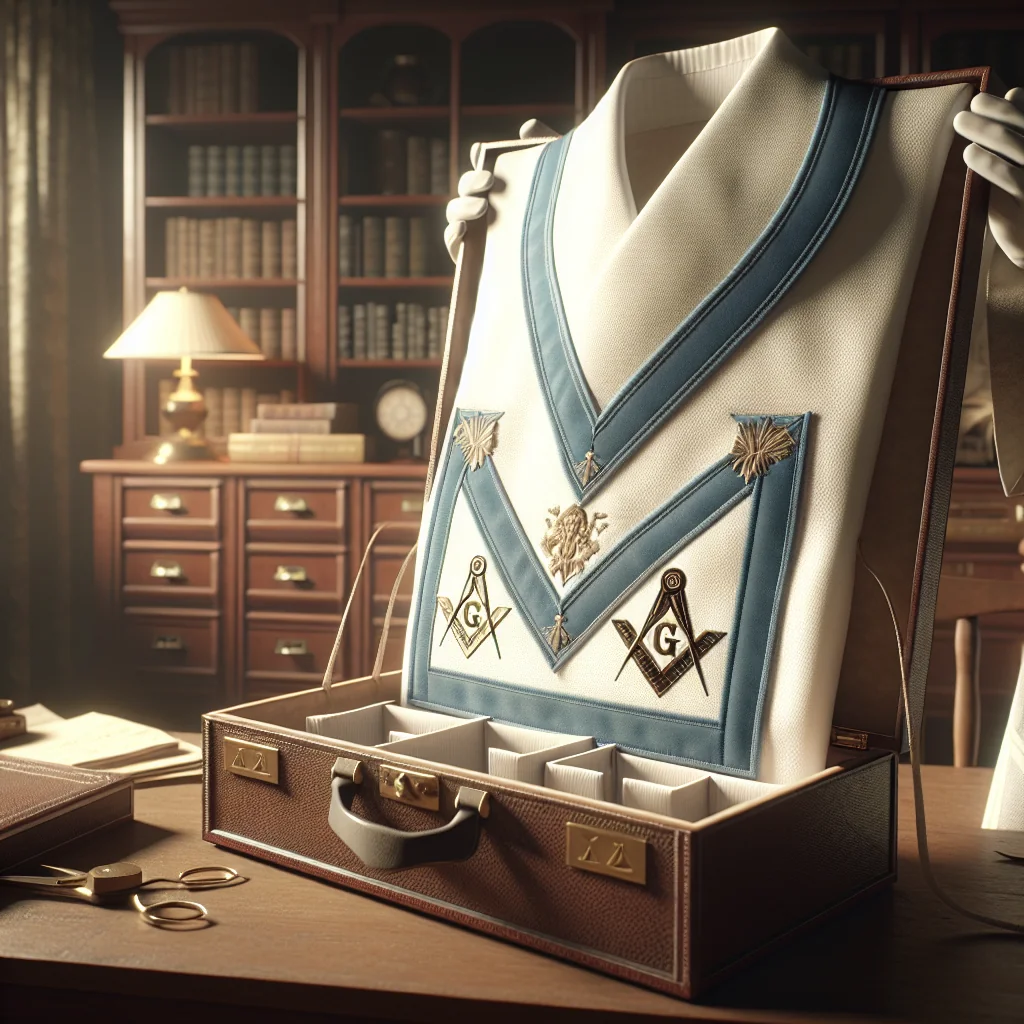
Masonic briefcase for regalia: how to choose the right case
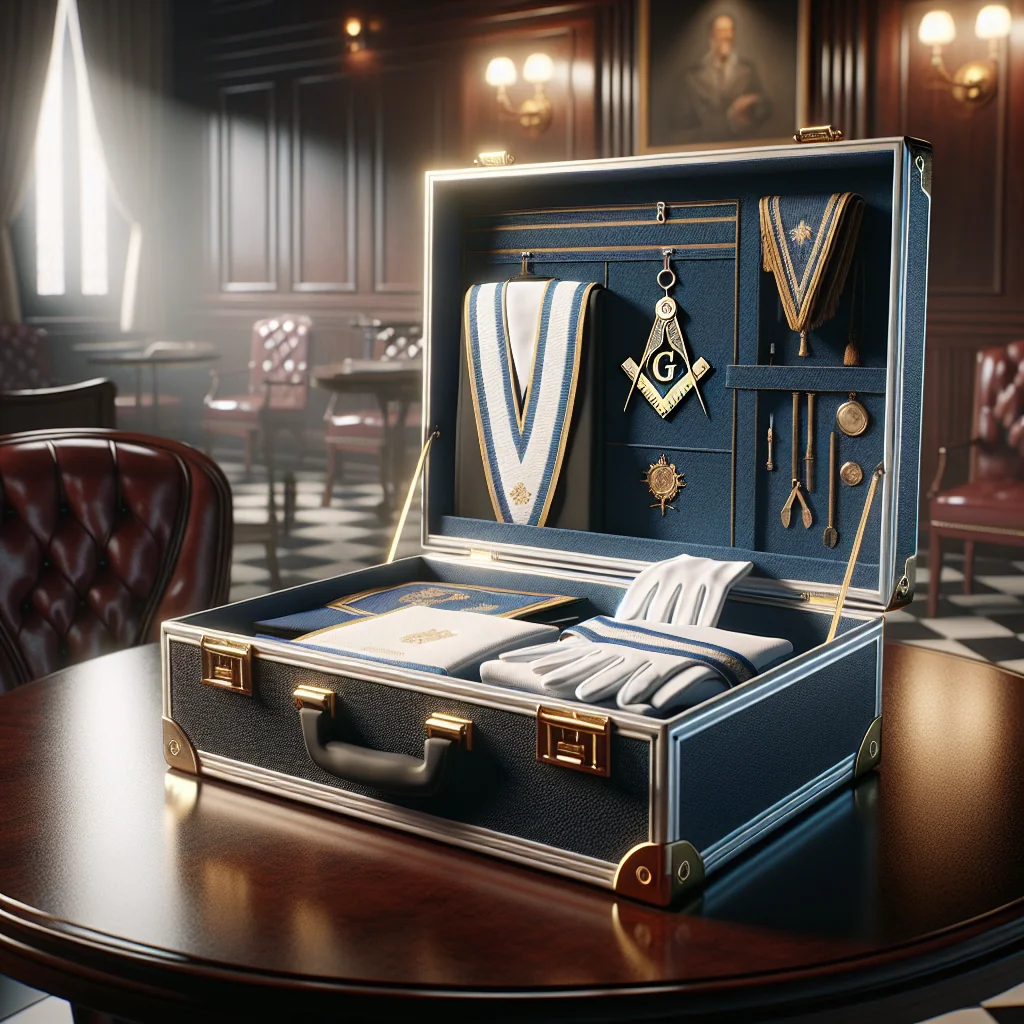

A good masonic briefcase for regalia protects your apron, collar, jewels, and documents while you travel to lodge. The right case keeps regalia flat, clean, and discreet, and also reflects the respect you have for your office. This guide explains what to look for, the main types of cases, and how to match a briefcase to your rank and use.
Why a dedicated masonic briefcase for regalia matters
Many Brethren start by using a normal laptop bag or folder for meetings. That works for a while, but regalia has special needs that a standard bag does not meet. A dedicated Masonic briefcase solves those problems and helps extend the life of your items.
Masonic aprons, collars, and jewels crease easily and can suffer from dust, moisture, or accidental spills. A proper regalia case keeps everything flat and secure, so you arrive at lodge ready to open without last‑minute cleaning or pressing. A discreet case also helps you move between home, work, and lodge without drawing extra attention.
For officers who visit other lodges, a good briefcase quickly becomes part of the routine. You always know where your apron, gloves, ritual book, and summons are, and you can check them at a glance before leaving home.
Key features to look for in a regalia briefcase
Before you start comparing brands or styles, focus on the features that matter most. These points apply whether you buy online, in a lodge shop, or second‑hand from a Brother.
- Size and internal layout: The case should hold your apron flat without folding. Check the internal dimensions against your current or future rank apron and collar. Extra pockets for gloves, jewels, and documents help keep items separate and tidy.
- Protection and structure: A semi‑rigid or rigid shell protects regalia from knocks and bending. Look for padded sections, smooth linings, and straps or clips that hold aprons and collars in place during travel.
- Discreet external design: Many Brethren prefer a case that looks like a normal business briefcase. A plain black or dark colour, minimal branding, and a simple handle help keep your membership private in public spaces.
- Security and closures: Secure locks or combination clasps add peace of mind, especially if you carry jewels or sensitive documents. At minimum, choose a case with strong zips or metal catches that do not pop open easily.
- Comfort and portability: If you walk or use public transport, a light case with a shoulder strap can be helpful. For those who drive short distances, a classic handle briefcase is often enough.
- Material and durability: Common materials include faux leather, real leather, and hard plastic. Faux leather is usually lighter and more affordable, while real leather can last longer and age well if cared for.
- Future‑proofing: Think ahead to higher offices or additional Orders. A slightly larger case can save you from buying another one later if you progress to Provincial, Grand, or side‑order regalia.
Once you know which of these features matter most to you, the choice between specific models becomes much easier. You can quickly rule out cases that are too small, too flashy, or lacking basic protection.
Common types of masonic regalia briefcases
Masonic briefcases for regalia fall into a few broad types. Understanding these makes it easier to match a case to your lodge role, travel habits, and budget.
The table below compares the main styles you will see from regalia suppliers and in lodge rooms.
Comparison of common Masonic regalia briefcase types
| Type of case | Best for | Main advantages | Possible drawbacks |
|---|---|---|---|
| Slim apron case | Entered Apprentices, Fellow Crafts, new Master Masons | Lightweight, simple, usually most affordable | Limited space for books, collars, or extra regalia |
| Standard regalia briefcase | Active lodge officers and frequent visitors | Holds apron, collar, gloves, and documents in one place | Can feel bulky if you carry very little |
| Multi‑layer / double apron case | Brethren with Craft and Chapter or higher offices | Separate sections for more than one apron and collar | Heavier and usually more expensive |
| Hard‑shell lockable case | Those carrying jewels, wands, or valuable items | Strong protection, firm structure, secure locks | Less flexible and can be heavy for walking |
| Soft briefcase / holdall style | Brethren who combine regalia with work items | More casual look, extra room for laptop or files | Less protection against bending or crushing |
Many Brethren start with a slim apron case and later move to a standard or multi‑layer briefcase as they take on new offices. If you already hold or expect higher rank, choosing a larger style first can be more cost‑effective.
Matching your briefcase to your regalia and rank
Your choice of case should reflect both your current regalia and what you may wear in the near future. Think about Craft, Chapter, Mark, and other Orders you belong to or plan to join.
For a new Entered Apprentice or Fellow Craft, a simple case that holds a single Craft apron and gloves is usually enough. As a Master Mason, you may also want space for a ritual book, summons, and perhaps a collar if you hold an office.
Provincial, District, and Grand officers often carry more than one apron and collar, plus jewels, gloves, and documents. In that case, a multi‑layer or double apron briefcase with clear dividers helps keep each set of regalia separate and safe from colour transfer or rubbing.
Step‑by‑step: choosing the right masonic briefcase for regalia
To avoid guesswork, use this simple process before you buy. You can follow these steps whether you shop online or in person.
- List what you carry now. Note your current apron size, collar, gloves, books, and any jewels or sashes. Lay them out on a table so you see the real space they need.
- Think about the next few years. Consider likely promotions or new Orders. If you expect to receive Provincial or Chapter regalia soon, plan for the extra apron and collar now.
- Measure your largest apron. Measure width and height, then add a small margin. Compare this with the internal dimensions given for any briefcase you consider.
- Decide how you travel to lodge. If you walk or use public transport, favour lighter cases and shoulder straps. If you drive and walk only a short distance, a heavier hard‑shell case may be fine.
- Choose your preferred style. Decide whether you want a traditional hard briefcase look, a soft laptop‑style bag, or a very slim apron folder. Keep in mind how formal your lodge is.
- Check internal layout photos. Look for clear pictures of the inside. Make sure there are straps or pockets for aprons and collars, and at least one section for documents or a ritual book.
- Review security features. If you carry jewels or sensitive papers, choose a case with a key lock or combination lock. If not, strong catches or zips may be enough.
- Compare materials and care needs. Faux leather needs little care and handles light rain well. Real leather looks smart but benefits from occasional cleaning and protection from heavy moisture.
- Check weight and handle comfort. A case that feels fine empty may feel heavy when full. If possible, test a similar weight at home using a normal bag.
- Allow for budget and value. Balance cost against how often you attend lodge and visit. A case that lasts many years usually offers better value than a very cheap one that wears out quickly.
Following these steps takes a little time, but it helps you avoid buying a case that is too small, uncomfortable to carry, or lacking basic protection for your regalia.
Caring for your regalia briefcase and contents
Once you have chosen a Masonic briefcase, a few simple habits will keep both the case and your regalia in good condition. Care is as important as the purchase itself.
Always store aprons and collars flat inside the case, using any straps provided to stop movement. Avoid stuffing extra items on top of them, as this can cause creases or marks on the silk or ribbon. If your gloves are damp, let them dry before placing them back in the case.
Keep the briefcase in a cool, dry place away from direct sunlight. Wipe the outside with a soft cloth after travel, especially in wet weather. For leather, use a suitable cleaner from time to time. Check locks, hinges, and zips regularly so you notice any wear before a clasp fails on the way to a meeting.
Discreet use and travel etiquette with a masonic briefcase
Many Brethren value discretion, especially when travelling through busy public areas. A masonic briefcase for regalia should help you move quietly between home, work, and lodge without extra attention.
Choose a case that does not display large square and compasses or bright lodge names on the outside if privacy is important to you. Some Brethren prefer a removable badge they can cover or detach in public. Others keep all visible symbols inside the case.
On public transport, keep the briefcase close to you and avoid leaving it on overhead racks. In a car, place the case out of sight when parked, especially if you carry jewels or valuable items. Treat the case as you would a laptop bag with sensitive information inside.
Should you have more than one regalia briefcase?
Some experienced Masons choose to keep more than one case, especially if they are active in several Orders or hold high office. This is not essential, but in some situations it can make sense.
One approach is to keep a main briefcase for Craft and Chapter, and a second, smaller case for side‑orders or specific duties. This reduces the weight of each case and helps avoid mixing regalia that should stay separate. It also lets you prepare for different meetings in advance without unpacking and repacking between them.
If you do use more than one case, label the inside clearly and keep a simple checklist for each. Before leaving home, a quick glance at the checklist helps ensure you have the right apron, collar, jewel, and book for that evening’s work.
Choosing a case that respects the Craft
A masonic briefcase for regalia is more than a bag; it is a practical way to show respect for the Craft and for the symbols you carry. By choosing a case that protects, organises, and discreetly holds your regalia, you make each journey to lodge smoother and less stressful.
Focus on size, protection, layout, and comfort before design details or branding. Think ahead to future offices, and care for both case and contents with the same attention you give to your ritual. That way, your regalia will remain clean, sharp, and ready for many years of service.