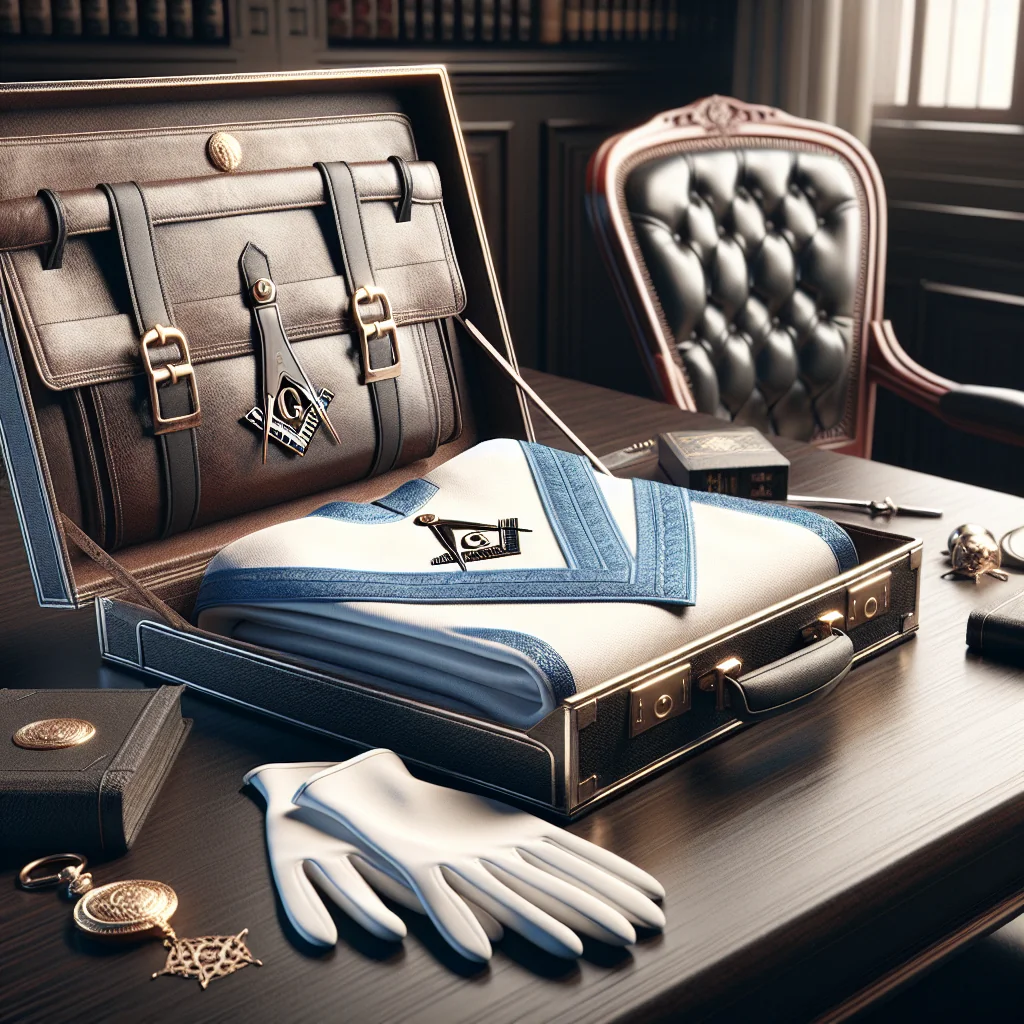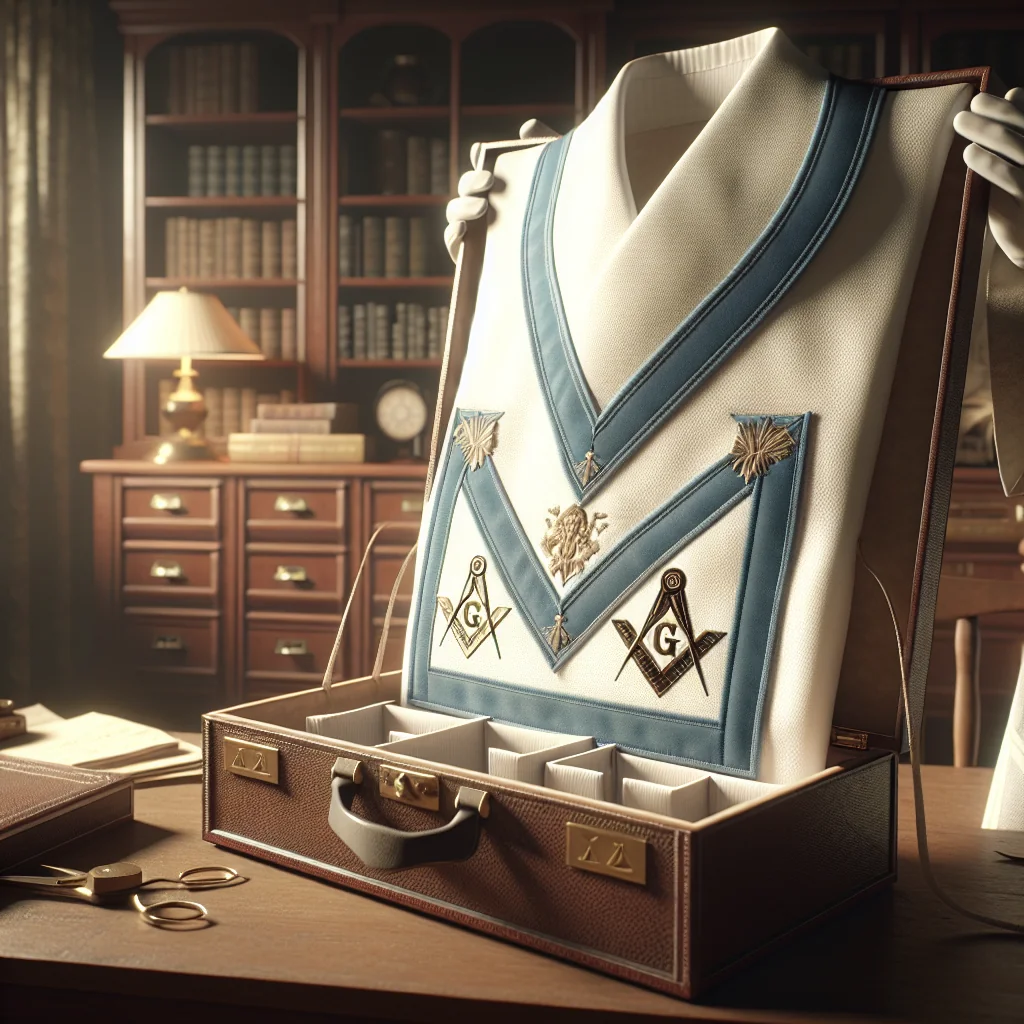
Masonic Briefcase for Regalia: Practical Guide for Freemasons
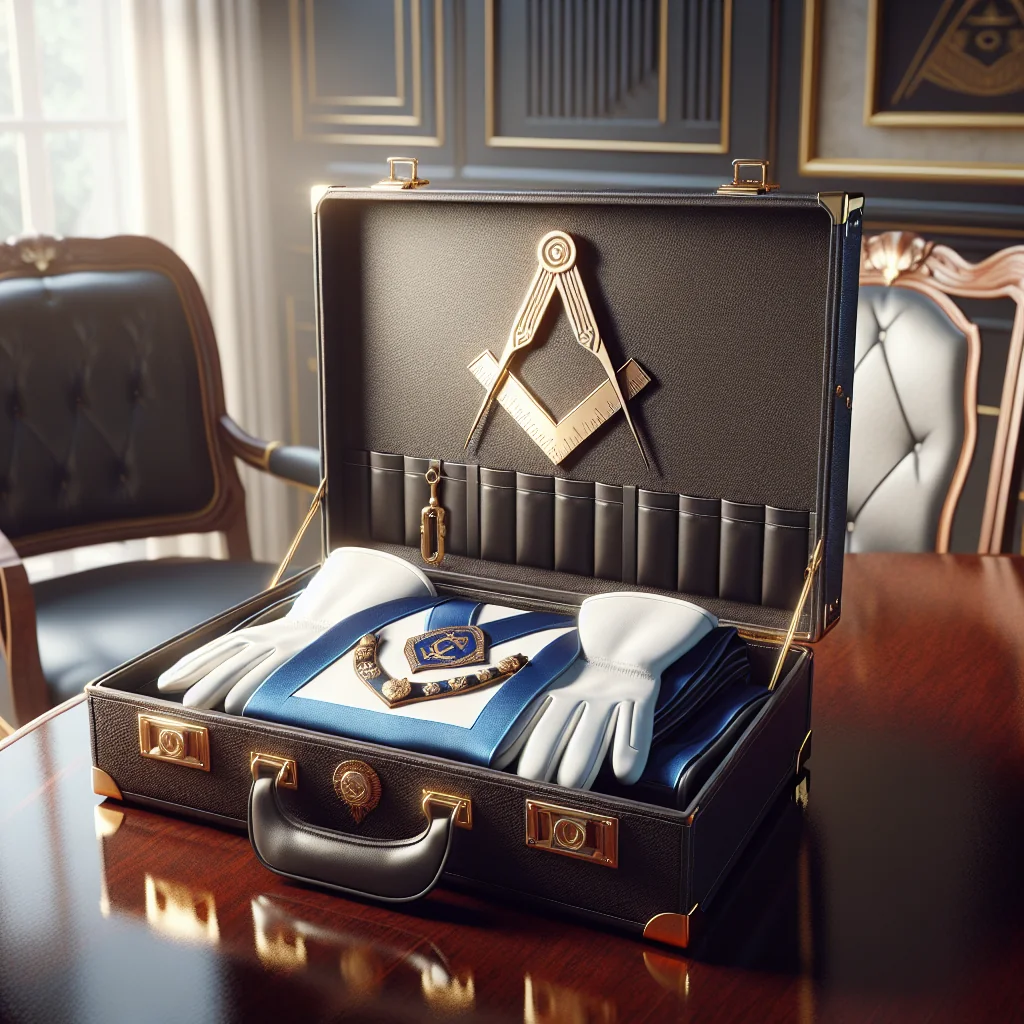

A good masonic briefcase for regalia does more than carry your apron. The right case protects your regalia, keeps everything organised, and helps you arrive at lodge prepared and dignified. Many Brethren start with a simple bag, then realise they need something safer and more practical as their regalia collection grows.
This guide explains what to look for in a Masonic regalia case, the different types available, and how to choose the right one for your rank, travel habits, and budget.
Why a dedicated masonic briefcase for regalia matters
Regalia is symbolic, personal, and often expensive. A dedicated case protects that investment and shows respect for the Craft. A normal laptop bag or backpack rarely gives the right shape, support, or internal layout for aprons, collars, and jewels.
Protection for aprons, collars, and jewels
A good briefcase keeps regalia flat, reduces creasing, and shields it from dust, moisture, and accidental knocks. Structured sides and a firm base stop other items from pressing into delicate embroidery or metal fittings.
Practical benefits over general bags
Many Brethren also prefer a discreet, professional look, so they can travel to lodge without drawing attention to Masonic symbols. Over time, a solid case can save money by reducing wear, and save stress by keeping everything in one place, ready for the next meeting.
Main types of Masonic regalia cases
Before looking at detailed features, it helps to understand the main types of cases used for Masonic regalia. Each style suits different needs and levels of travel, from short walks to regular trips by train or car.
Overview of common case styles
The most common options are hard briefcases, soft cases, and combination or multi-level cases. Some Brethren also use specialist apron cases for high‑value pieces or historic regalia that needs extra care.
Think about how often you travel, how much regalia you carry, and how much protection you need before deciding which type makes sense.
Comparison of common Masonic regalia case styles
The table below compares the main case types and how they suit different needs.
| Case type | Best for | Main advantages | Main drawbacks |
|---|---|---|---|
| Hard masonic briefcase | Regular lodge travel, car or public transport | Strong protection, keeps aprons flat, professional look | Heavier, less flexible storage |
| Soft regalia case | Short trips, light regalia, limited storage space | Lighter, easier to store, often cheaper | Less impact protection, can sag if overfilled |
| Multi-level or combination case | Officers with several sets of regalia | Holds multiple aprons and collars, good organisation | Bulkier, usually more expensive |
| Single apron case | Protecting one high‑value apron | Excellent apron protection, simple layout | Limited space for other items |
Many Brethren start with a soft case and later move to a hard masonic briefcase once they gain office or begin travelling further to meetings and installations.
Key features to look for in a Masonic briefcase
Once you know the general case type you prefer, focus on specific features. These details make the difference between a case that simply holds regalia and one that protects and organises it well.
Essential design and comfort details
The list below highlights features that matter most to working Freemasons, whether you attend one lodge or several.
- Correct internal size: The case should fit your largest apron flat, with a little spare room, but not so much that the apron slides around.
- Firm structure: A rigid or semi‑rigid frame stops regalia from bending or creasing under pressure from other items.
- Secure fastenings: Quality locks, clasps, or zips reduce the risk of your case opening during travel and offer basic security.
- Separate compartments: Dividers or pockets for aprons, collars, gloves, and jewels keep items from rubbing or tangling.
- Soft interior lining: A smooth, non‑abrasive lining protects delicate embroidery and metal fittings from scratches.
- Comfortable handle or strap: A padded handle or shoulder strap helps if you walk or use public transport to lodge.
- Discreet exterior: Many Brethren prefer a plain outside with no obvious square and compasses, for privacy during travel.
- Weight and balance: The case should feel balanced and not overly heavy once full, especially if you carry ritual books too.
Focusing on these essentials helps you avoid paying for features you never use, while still protecting the regalia that matters most.
Choosing materials: leather, synthetic, and hard-shell options
The material of a masonic briefcase for regalia affects durability, appearance, and price. Three broad categories are common: genuine leather, synthetic leather or fabric, and hard‑shell materials such as ABS or polycarbonate.
Leather and synthetic finishes
Genuine leather looks classic and ages well if cared for, but usually costs more and needs occasional cleaning and conditioning. Many Brethren enjoy the traditional look and feel, especially for senior rank or Provincial and Grand officers.
Hard-shell and mixed construction cases
Synthetic materials, such as PU leather or heavy fabric, often give a good balance of price, weight, and weather resistance. Hard‑shell cases offer strong protection, but can look more like luggage than a briefcase, which some prefer and others do not. Some modern cases mix a hard base with softer panels to keep weight down while still protecting aprons.
Getting the size right for your regalia
Size is one of the most practical points to check before buying a case. Different constitutions and degrees use aprons of different dimensions, and some include collars, sashes, and gauntlets that need extra space.
Measuring aprons and planning for extra items
Measure your largest apron, including fringe and any stiff border. Add a small margin so you can slide the apron in and out without folding the edges. If you hold more than one office, check that the case can carry at least two aprons without squeezing them.
Allow room for gloves, a small case for jewels, and possibly ritual books or summonses. A case that is slightly larger than your current needs can serve you well if you take future offices or join additional orders that add extra regalia.
Organisation inside a Masonic regalia briefcase
Good internal organisation saves time before lodge and reduces wear on regalia. Instead of stacking items loosely, look for a structure that matches how you dress and undress for meetings.
Layouts that support how you dress for lodge
Many Brethren like a flat main compartment for the apron, with a separate section for collars and a small pouch or box for jewels. Some cases include elastic straps or clips to hold collars in place, which helps keep ribbons straight and prevents metal parts from rubbing on fabric.
Extra pockets for gloves, a pen, summons, or dues card are useful, but avoid stuffing too much into the same space as the apron. Overfilling a case can press hard items into the fabric and leave marks that are hard to remove.
Security and discretion while travelling to lodge
Security for a masonic briefcase usually means basic protection and privacy rather than high‑grade locks. Simple measures can still reduce risk and give peace of mind on busy journeys.
Locks, privacy, and travel habits
A simple key lock or coded clasp can discourage casual interference and stop the case opening by accident. Many Brethren prefer a plain exterior with no large Masonic symbols, which reduces attention on public transport and keeps membership private in daily life. If you like a visible emblem, you might choose a small badge or removable tag.
When travelling, keep the case within sight and avoid leaving it in a car overnight. Regalia can be hard to replace, especially if it has personal or lodge‑specific details such as embroidered names or dates.
Caring for your Masonic briefcase and regalia
A good case lasts longer if you care for both the outside and the contents. Simple routines after each meeting can prevent long‑term damage to your regalia and keep the briefcase looking smart.
After‑meeting care routine
After lodge, let aprons and collars air briefly in a clean, dry room before placing them back in the case. This helps remove moisture from warm rooms or rainy trips. Check that no jewels or chains are pressing directly into embroidery, and gently straighten ribbons or fringes before closing the case.
Cleaning and storage tips
Wipe the outside of the case with a soft cloth if it has picked up dust or rain. Leather may need occasional conditioning, while synthetic materials usually just need a damp cloth. Store the case upright in a dry place, away from direct sunlight and heat, and avoid stacking heavy items on top that could distort the shape.
Step-by-step checklist for choosing a masonic briefcase
To bring everything together, use this simple step-by-step process when choosing your next masonic briefcase for regalia.
- List the regalia you need to carry now, including aprons, collars, jewels, gloves, and books.
- Measure your largest apron and note any unusual items, such as gauntlets or sashes.
- Decide how often you travel and which transport you use most, such as car, train, or walking.
- Choose a case type that fits your travel pattern, such as hard briefcase, soft case, or multi-level case.
- Select materials that match your budget and taste, such as leather, synthetic, or hard-shell.
- Check internal layout, making sure there are flat spaces and separate sections where you need them.
- Test the handle or strap for comfort and check the weight once the case is filled.
- Look at the exterior style and decide how discreet or decorative you want the case to appear.
- Review locks or fastenings and confirm they feel secure and easy to use.
- Allow for future offices or extra regalia so the case can serve you for several years.
Following this sequence helps you compare different options in a clear way and choose a briefcase that will serve you well over many meetings and degrees.
Matching the briefcase to your Masonic journey
The best masonic briefcase for regalia is the one that fits your current role and future path. A new Entered Apprentice may need only a modest case, while a Past Master or Provincial officer might carry several sets of regalia and documents.
Planning for future offices and extra orders
Think about how your Masonic duties may grow in the next few years. Choosing a slightly better case now can save you from replacing a cheaper one soon after you gain office or join another lodge or order. A flexible layout with space for extra aprons or collars often proves useful sooner than expected.
By weighing type, size, material, and organisation, you can choose a briefcase that protects your regalia, respects its meaning, and serves you well on every journey to lodge.